Luxury rehab in Florida, region by region
Six parts of the state, each with its own setting, travel and mix of programs. Start with the region that fits your loved one, then check the center.
Calls are answered by a partner at-home treatment provider, not by this guide.
- Regions Six
- Coasts Atlantic and Gulf
- State license Florida DCF
- Featured spots One, always labeled
Why the region matters before the center
Florida is a long state. Jupiter and Key West, or Naples and Orlando, are hours apart by car, and each region has its own setting, its own mix of programs and its own pace. Choosing the region first can make the rest of the search shorter.
Distance shapes more than the view. A center close to home makes it easier for you to visit and join family sessions. A center farther away can give your loved one a clean break from old routines and old company. Neither is right for everyone. Think about what your loved one needs now, and how the family will take part. Our guide to family programs explains what to ask.
The region also shapes what comes after. Most people step down from residential care, where they live on site, to outpatient therapy, and sometimes to a sober home. If your loved one plans to stay in Florida for a while, look at the support nearby, not only at the center itself.
The six regions
Each guide covers the setting, what to check, and centers to research there. Center lists are alphabetical and never ranked.

Palm Beach
One of the busiest stretches for private treatment in Florida, from Jupiter to Boca Raton, with several centers built around executives.
Naples & the Gulf Coast
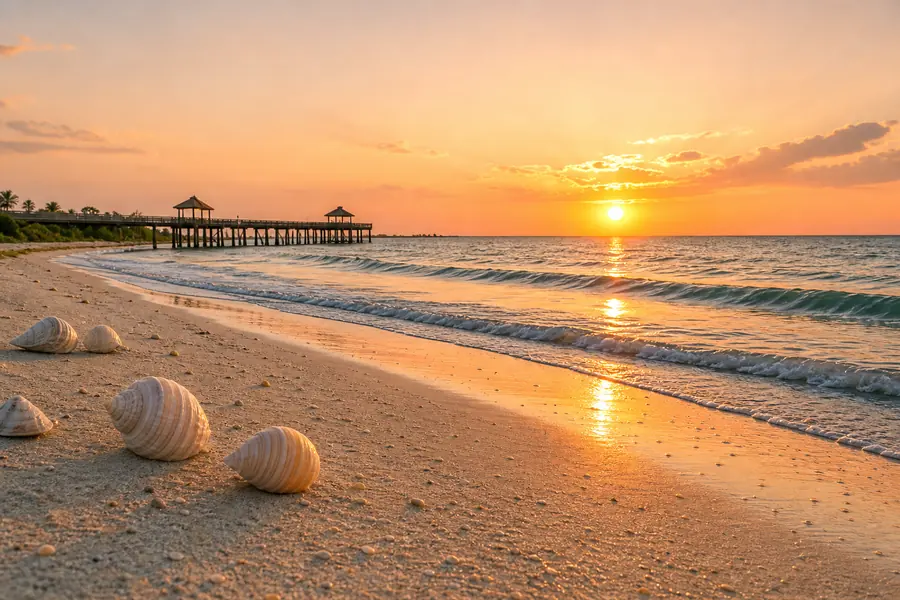
A quieter Gulf setting with a small number of programs in Naples and more choices up the coast in Fort Myers.
Miami & Fort Lauderdale
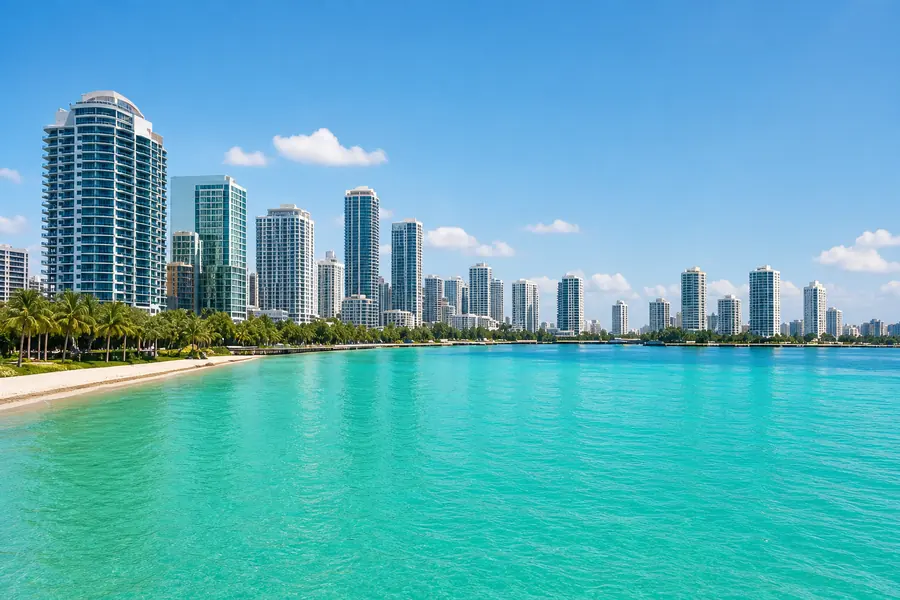
A large urban market with many programs and a lot of advertising, so knowing who you are talking to matters most here.
The Florida Keys
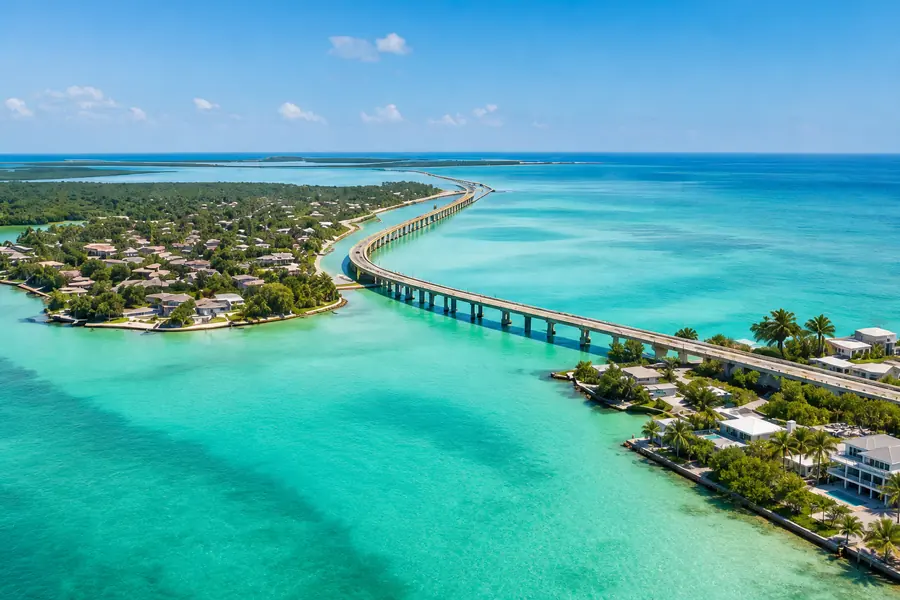
An island chain with very few residential programs, where privacy and quiet come with longer travel for family and medical care.
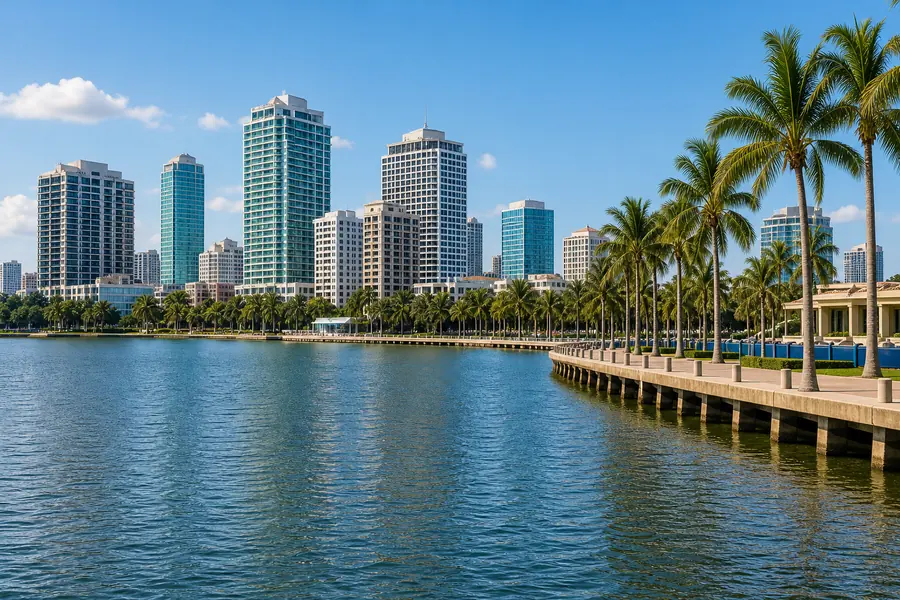
Tampa Bay
A Gulf Coast metro with programs in Tampa and Clearwater, plus guides for Sarasota and St. Petersburg.
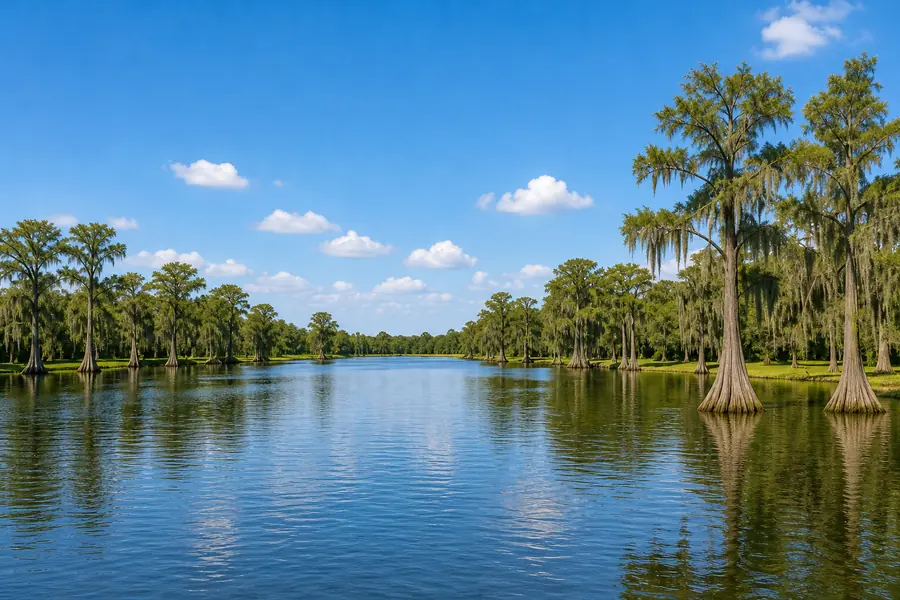
Orlando & Central Florida
An inland region of lakes and suburbs, from Orlando campuses to small private programs farther south.
Before you pick a place
Questions that narrow the map
- Does your loved one need medical detox first? If so, the center needs a detox program, or a clear plan for where detox happens.
- How often will the family visit? Weekly family sessions are easier when the drive is short.
- Is privacy the main worry? Some people do better in a small program far from home, where no one knows them.
- Is there a mental health condition too? Look for dual-diagnosis care, which treats addiction and a mental health condition together.
- Who is paying? Insurance networks and private-pay prices vary by center, not by region. Our cost guide explains what to ask.
- What happens after discharge? Ask where outpatient care and support would be.
One state, one set of rules
Wherever your loved one goes in Florida, the same state rules apply. Addiction treatment providers are licensed by the Florida Department of Children and Families (DCF) under Chapter 397 of the Florida Statutes. You can search a provider on the DCF licensing page, and our guide shows how to read the result.
Florida also bans patient brokering, which means paying or taking money to steer a patient to a provider (s. 817.505). That is one reason this guide never takes per-referral fees. Our disclosure page explains how the site is paid for.
If a sober home is part of the plan, ask whether it is certified. Florida runs a voluntary certification program for recovery residences (s. 397.487). Read more in what a sober house in Florida is.
Questions about Florida’s regions
Which part of Florida has the most luxury rehabs?
We have not found an official count by region. In our own searches, centers in Palm Beach County come up most often for luxury rehab in Florida. A busy region is not a better region, though. What matters is whether one center fits your loved one’s needs.
Is it better to go to rehab far from home?
Sometimes. Distance can help a person step away from daily triggers and people. It can also make family sessions and aftercare harder to arrange. Ask the center how it includes families who live far away, and how it sets up care for the return home.
Are the rules different in each Florida region?
No. State licensing, the patient brokering law and the Marchman Act apply across Florida. The Marchman Act is the state law on court-ordered assessment and treatment for substance use, explained in our Marchman Act guide. What differs is local: the number of outpatient programs and sober homes nearby.
Can we use treatment at home instead of traveling?
For some people, yes. Medically supervised detox and rehab can happen at home with licensed clinicians. It is not safe for everyone: severe alcohol or benzodiazepine withdrawal can need a hospital, and in an emergency you should call 911. See treatment at home for who is a good fit.
For treatment centers
Licensed Florida centers can apply for the one featured spot on this guide.